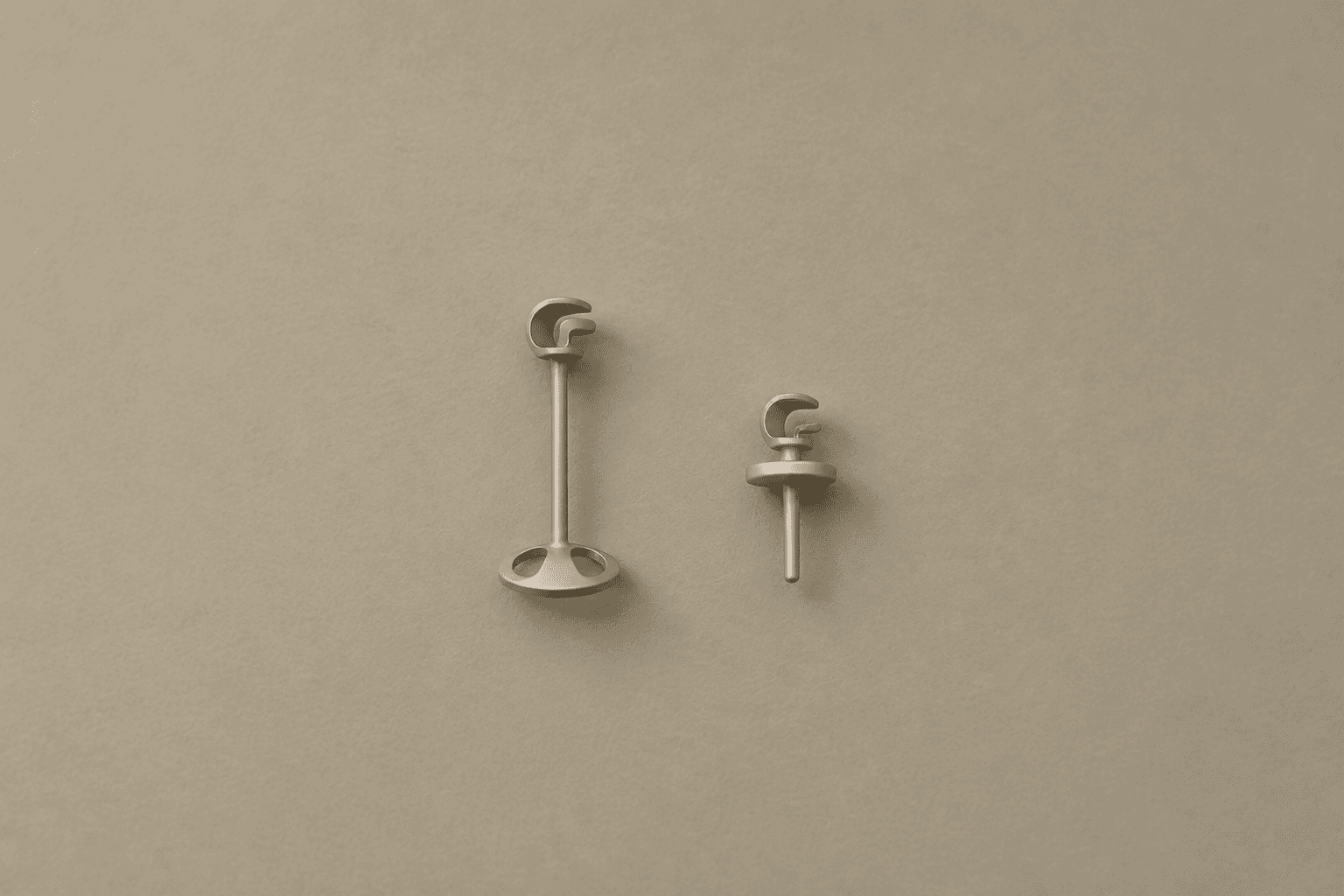
What it is
In otosclerosis, abnormal bone forms around the stapes, the last of the three middle-ear bones. The stapes gradually stiffens and stops passing sound vibrations into the inner ear, which causes a conductive hearing loss that often worsens slowly over years and can affect one or both ears.
Common symptoms
People with this condition may notice: gradually worsening hearing in one or both ears; hearing that can seem easier in a noisy room; ringing in the ears; occasionally, dizziness. Symptoms vary from person to person, and other conditions can cause similar ones.
How it is evaluated
A hearing test shows the pattern of conductive hearing loss that suggests otosclerosis, and an ear examination rules out other causes. A CT scan is sometimes used to look at the inner ear and plan treatment.